


MONA 2.0: How We Automated Our Own Company in 60 Days
In April 2026, MONA stopped tolerating its own bureaucracy and rebuilt the company around AI Agents instead of extra headcount. Sixty days later: leads up 900%, operating cost down 60%, and the busywork that wore out good staff was gone. This is the build, not a highlight reel.
- Gấu Cườicatches a hot lead at 2am and locks in the customer before sunrise(overnight)
- Gấu Báo Giábuilds a quote plus a slide deck and sends it to the client(2 minutes)
- Dê Cườicloses an order, checks stock, and pushes it to shipping(6 minutes)
- Gấu Webmasterupdates a client's homepage banner for the new promotion(11 minutes)
The Dream Every Founder Starts With
Almost every owner starts a company from their own craft. You made the first product with your own hands, sat across from the first customer yourself, stayed up fixing small bugs at night because it was your name on the work.
Nobody needed a meeting to prove they were busy. There was no middle layer, no bureaucratic department, no seat kept warm just for show. Everyone could see what everyone else was doing, and everyone believed in the same thing.
That was the company at its best. And somewhere underneath the growth, you have probably wanted to get that feeling back: a company made entirely of people who actually do the work.
What Growth Quietly Costs You
As revenue grew, projects piled up, and customers multiplied, things started slipping out of your hands. Every company, every founding group, hits this at a certain size. You become the thing you swore you would never be.
It starts with a reasonable idea: someone has to own this task, no matter how small or simple it is. Once you have enough customers, enough specialized work is just a fact of the business.
So you hire. You create roles and whole departments that, honestly, do close to nothing at first, just to make sure nothing falls through.
Meet the Office Zombies
Every company past a certain size grows a few of these. None of them started out this way, the company just made room for them.
Always mid-meeting, always replying to messages at 11pm so everyone sees the dedication. Ask what shipped this month and there is not one thing they can name.
Cannot ship a single product, but can spot every flaw in someone else's. Lights up the group chat, recruits a faction, calls it feedback.
Guards one process, one client relationship, one password. Not to do the job better, just to make sure nobody could ever take their seat.
Invents a form, adds an approval step, routes everything through their own desk first. Then calls that friction quality control.
Talks the most in every meeting. When the deadline slips there is always a reason, and the reason always belongs to another department.
Been around so long they became a legend. Hasn't gotten measurably better in years, but the whole office quietly agrees nobody touches that seat.
None of this lives in its own corner. Zombie behavior spreads, even to people who actually do good work, until they are building their own workarounds just to get things done.
Two Ways to Grow
- +Machines get stronger with every release. No salary demands, no ego, no factions.
- +People add a new layer of skill with every project they touch.
- +Put the two side by side and the gains compound instead of just adding up.
- -Longer tenure without more skill, just sharper excuses.
- -Better at dodging work, smoother at deflecting blame, tighter factions.
- -One zombie trains the next. A team can breed a second and third generation.
Keep feeding the second path and there is only one direction left: worse. On the old road, honestly, there was no fix for it.
MONA committed to full automation. No half measures, no turning back.
How the Automation Actually Works
MONA split the company into two halves and handed both, fully, to automation.
The sales floor now runs itself on MONA Sales OS, end to end, without a human relaying every step by hand.
Machines handle most of the execution. Humans hold the architecture, the calls that actually require judgment.

“We didn't hand everything to one AI. It's a crew of specialists that work in sequence, one machine per job, with a MONA architect owning the design of every project.”
What “the Machine Does Most of the Work” Looks Like
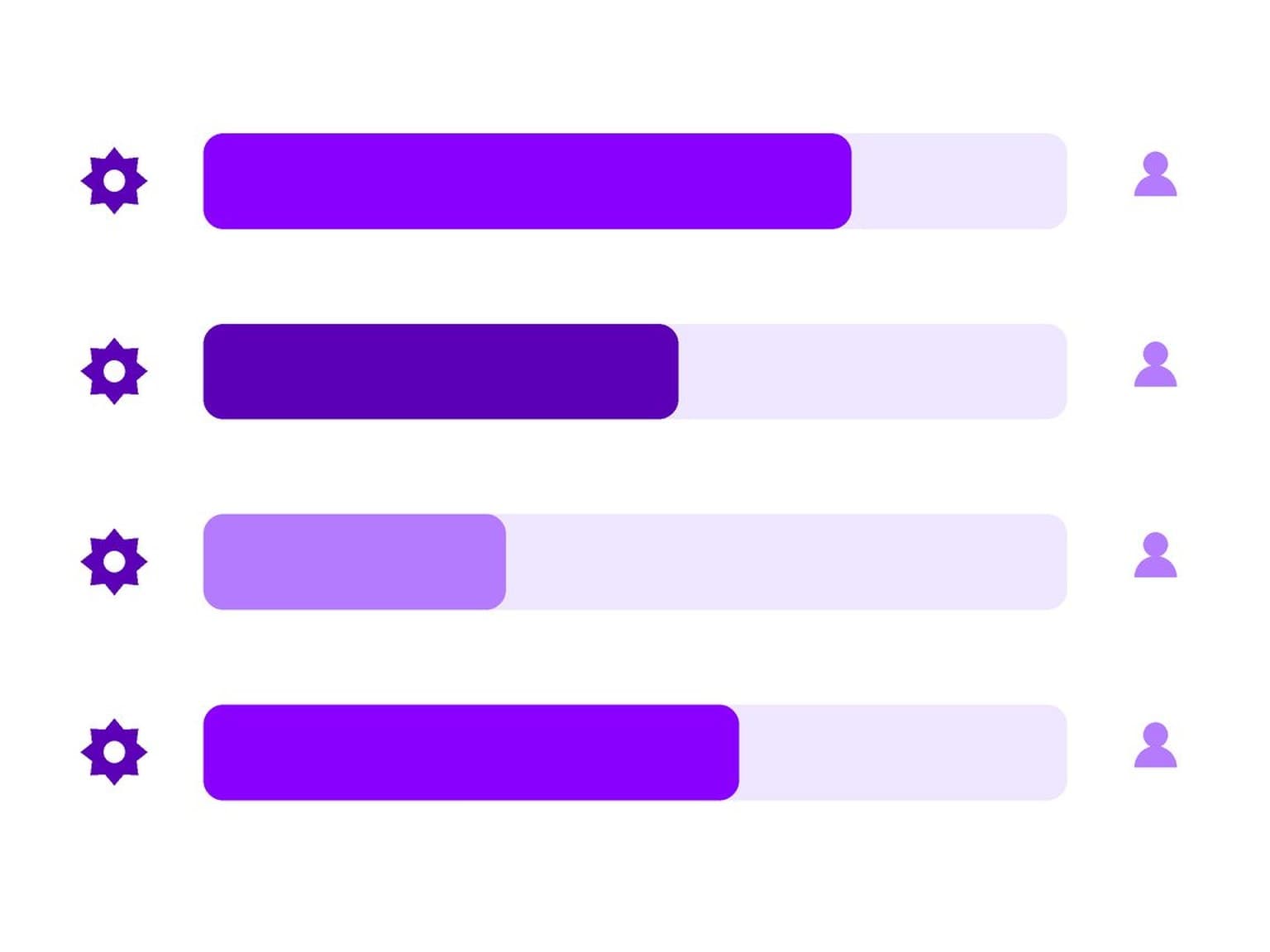
Four departments, four different machine-to-human ratios. The percentage is how much of the execution the machine owns end to end.
Four Levels of Using AI
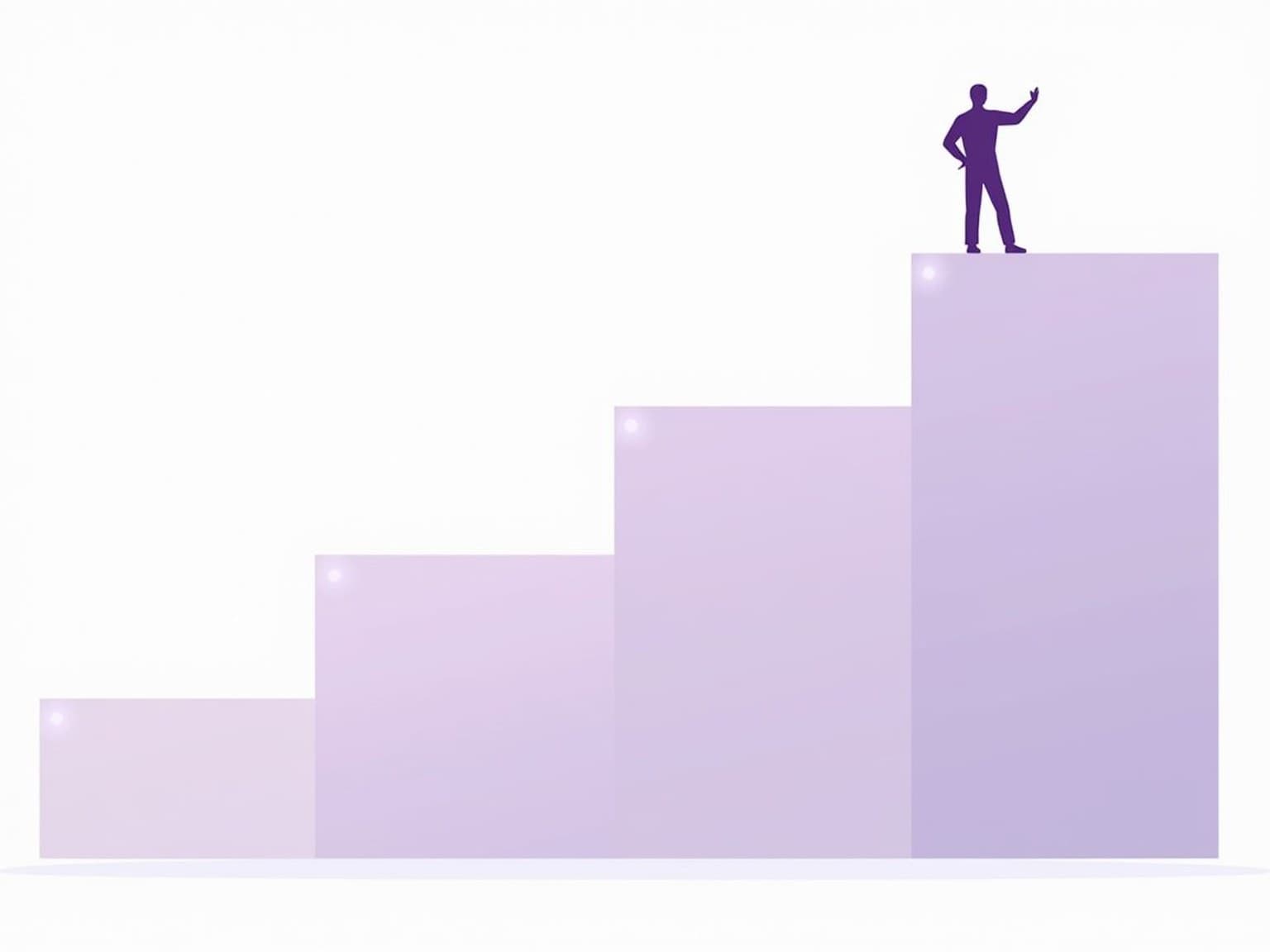
Poking at ChatGPT, asking it a few questions to see what happens. AI as a new toy: fun, but disconnected from any real work in the business.
Sharp prompts, knows exactly which tool fits which job. But still runs the whole loop by hand. Better output, more tired, because the person is still the wiring between every step.
Strings a few tools together with Zapier or n8n to automate one stretch of a process. Genuinely less manual work, until the process shifts even slightly, the wiring snaps, and a human is back in there patching it.
The whole loop runs itself, start to finish. Custom software, a closed pipeline that corrects itself, with a named person holding the wheel and full visibility into what is happening. The owner just gets the result and makes the calls that matter.
Hiring MONA to automate skips levels one through three entirely. Clients land straight on level four.
Two Pieces of Advice for Any CEO Watching This
Once the road is visible, walk it all the way. Half-hearted automation is the most expensive kind there is. Pick a direction and follow it through, don't pilot it for a week and quietly let it drop.
Old problems with management, systems, and legacy staff are chronic. You have told yourself for years that you fixed them, and years later they are still sitting there. A new road creates new problems too, but do not let that scare you off it. New problems get solved fast. Turning back to the old ones just means staying frustrated for the rest of your career.
MONA Before and MONA 2.0
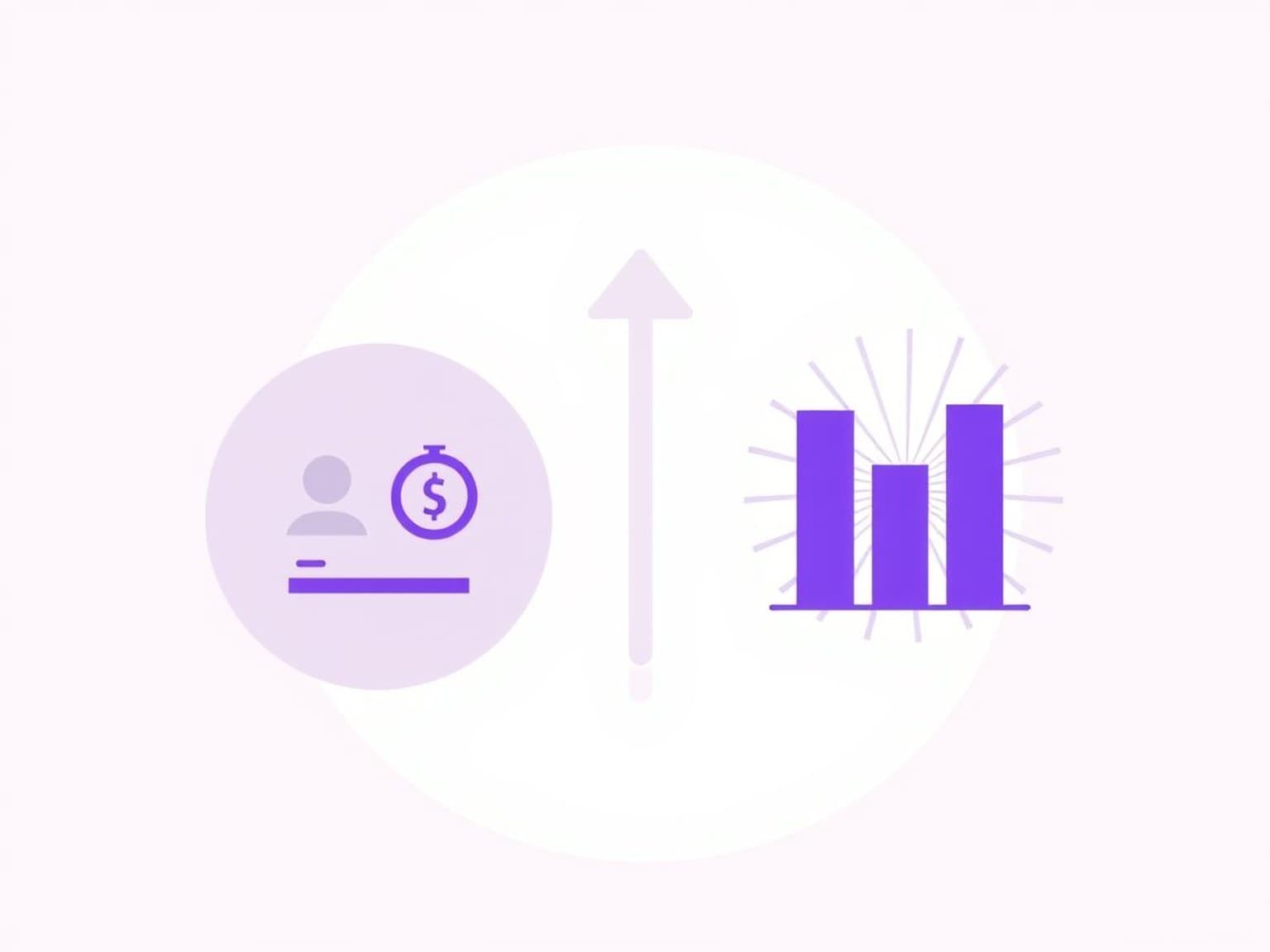
Same company, same market, same customers. Sixty days apart.
| MONA before | MONA 2.0 | |
|---|---|---|
| Lead response time | Hours, sometimes next business day | Seconds, 24/7 |
| Quote turnaround | Days, stuck behind one person's queue | Minutes, generated and sent |
| SEO content | Written and queued for weeks | Drafted, optimized, and published same day |
| Who owns repeatable work | A new hire, and then another one | An agent, supervised by one architect |
| Leads | Baseline | +900% |
| Operating cost | Baseline | -60% |
| Time to get here | Years of "eventually" | 60 days |
Want Your Own Company Automated Like This
The same agents and architecture MONA used on itself are available for other businesses through MONA's AI Agent Development practice.