


MONA designs, builds, and operates production-grade AI agents: systems that read your inbox, look things up in your CRM, take multi-step action, and know exactly when to hand off to a human. Built by an in-house team in Vietnam, integrated into the tools you already run.
What an AI Agent Actually Is, and Why It Went From Demo to Deployment

A chatbot answers. An agent acts. If you need workflow automation without autonomous decision-making, see our AI automation agency page. This one is about agents that reason, use tools, and complete work on their own.
An AI agent is software that pursues a goal across multiple steps: it reads the situation, decides what to do next, calls the right tool (search a database, update a CRM record, draft an email, create a ticket), checks the result, and continues until the job is done or a human needs to step in. That loop of reason, act, observe, repeat separates an agent from a chatbot that answers once and stops, and from classic automation that follows one fixed path.
The technology matured fast. Modern language models can reliably call functions and work with your business data, so the real question is no longer "can an agent do this?" but "can you run one safely, accurately, and at a cost that makes sense?" That's an engineering question, and it's the one most agencies skip.
MONA has built custom software, including CRMs, ERPs, sales and HR systems, across 14,000+ projects delivered over 10+ years. We know what lives on the other side of the API an agent has to call, because we've often built systems like it. AI agent development isn't a rebrand for us; it's the newest layer on an engineering practice we've run for a decade.
AI Agent Development Services We Deliver
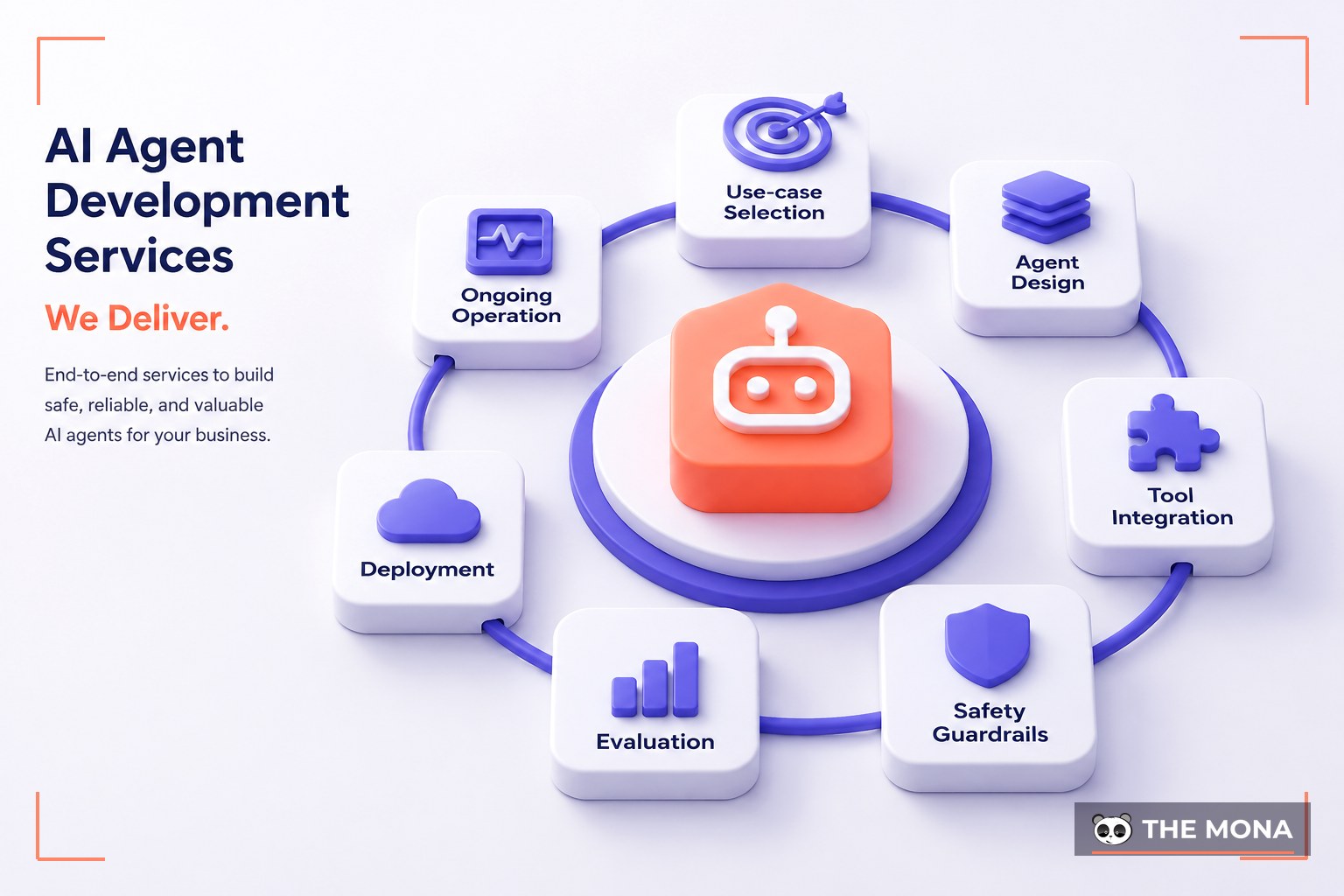
Our AI agent development services cover the full lifecycle: use-case selection, agent design, tool integration, safety guardrails, evaluation, deployment, and ongoing operation. These are the agent types we build most often:
Customer Support Agents
Agents that resolve the routine tier of support end to end: they read the ticket, pull the customer's order and history from your helpdesk and CRM, check policy, take the action (refund, reshipment, status update), and reply in your brand voice, in the customer's language. Anything ambiguous or high-stakes escalates to your team with the full context already assembled.
Sales & Lead Qualification Agents
An agent that watches your inbound channels (web forms, email, chat), qualifies each lead against your criteria, enriches it from your CRM and public sources, routes it to the right rep, drafts the first follow-up, and books the meeting. Speed-to-lead stops depending on who's at their desk.
Back-Office & Operations Agents
The quiet workhorses: agents that process invoices against purchase orders, chase missing documents, reconcile records between systems, prepare recurring reports, and flag exceptions for review. This is where agents typically pay for themselves first: high volume, checkable rules.
CRM/ERP-Integrated Agents
Agents are only as useful as the systems they can touch. We build the connectors that let an agent read from and write to Salesforce, HubSpot, Zoho, SAP-class ERPs, e-commerce platforms, and, crucially, the custom internal tools most businesses actually run on. Because MONA is also a custom software development company, "there's no API for that" is a problem we solve, not a reason to descope.
Internal Knowledge Agents
An agent your team can ask in plain language, like "what's our refund policy for wholesale orders?", that answers from your documents, wikis, and databases, with sources cited so people can verify instead of guessing whether the AI made it up.
Multi-Agent Systems & Orchestration
For complex processes, one agent isn't enough. We design orchestrated systems where specialized agents hand work to each other (one extracts, one validates, one acts) with a supervisor layer that tracks state, retries failures, and keeps a full audit log.
How We Build Agents You Can Actually Trust
Anyone can wire a language model to a few tools and get an impressive demo. The gap between a demo and a production agent is trust engineering, where most agent projects die. Ours ship with four layers built in:
- Scoped tool access. An agent gets exactly the permissions its job requires: read access here, write access there, hard limits on amounts and actions. An agent that can issue refunds up to a set limit is a tool; an agent with admin credentials is a liability.
- Guardrails on every action. Business rules are enforced in code, outside the model: spending caps, blocked actions, mandatory data validation. The model proposes; deterministic checks dispose. If a rule would be violated, the action simply doesn't execute.
- Human-in-the-loop by design. Low-risk actions run autonomously; medium-risk actions go through review queues; high-risk actions always require a human click. You decide where those lines sit, and move them as trust grows.
- Evaluation before and after launch. We build a test suite of real scenarios from your business and measure the agent against it (accuracy, escalation behavior, tone) before it touches a live customer. After launch, every run is logged and scored: quality becomes a dashboard you watch, not a feeling you hope for.
Keeping Agents Affordable: Model Routing & Token Economics
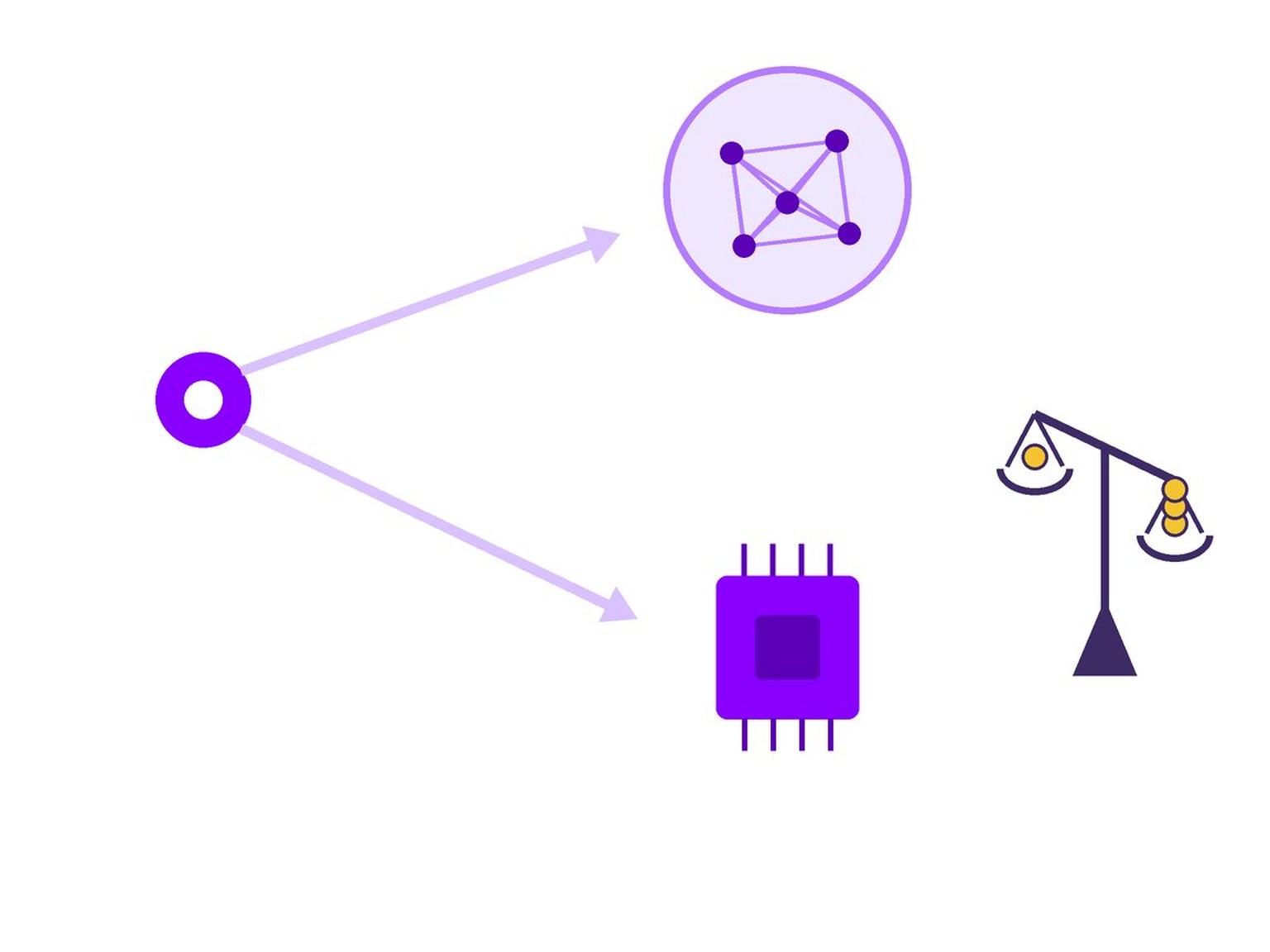
Agents consume AI model capacity on every step, and a carelessly built agent quietly burns money. This is a real engineering discipline, and we treat it as one:
- Model routing. Not every step needs the most powerful model. Routine steps, such as classification, extraction, and formatting, run on fast, inexpensive models; premium models are reserved for the reasoning steps that genuinely need them.
- Context discipline. Agents that stuff entire databases into every request are slow and expensive. We retrieve only what each step needs.
- Caching and short-circuits. Repeated questions and known patterns get answered without a model call at all.
- Cost monitoring per run. You see what each agent run costs, per task and per month. No surprise invoices from your AI provider.
For most agents we scope, run cost lands at a small fraction of the labor cost of the same work, but we verify that in the pilot with your real numbers rather than asserting it on a landing page.
Our AI Agent Development Process
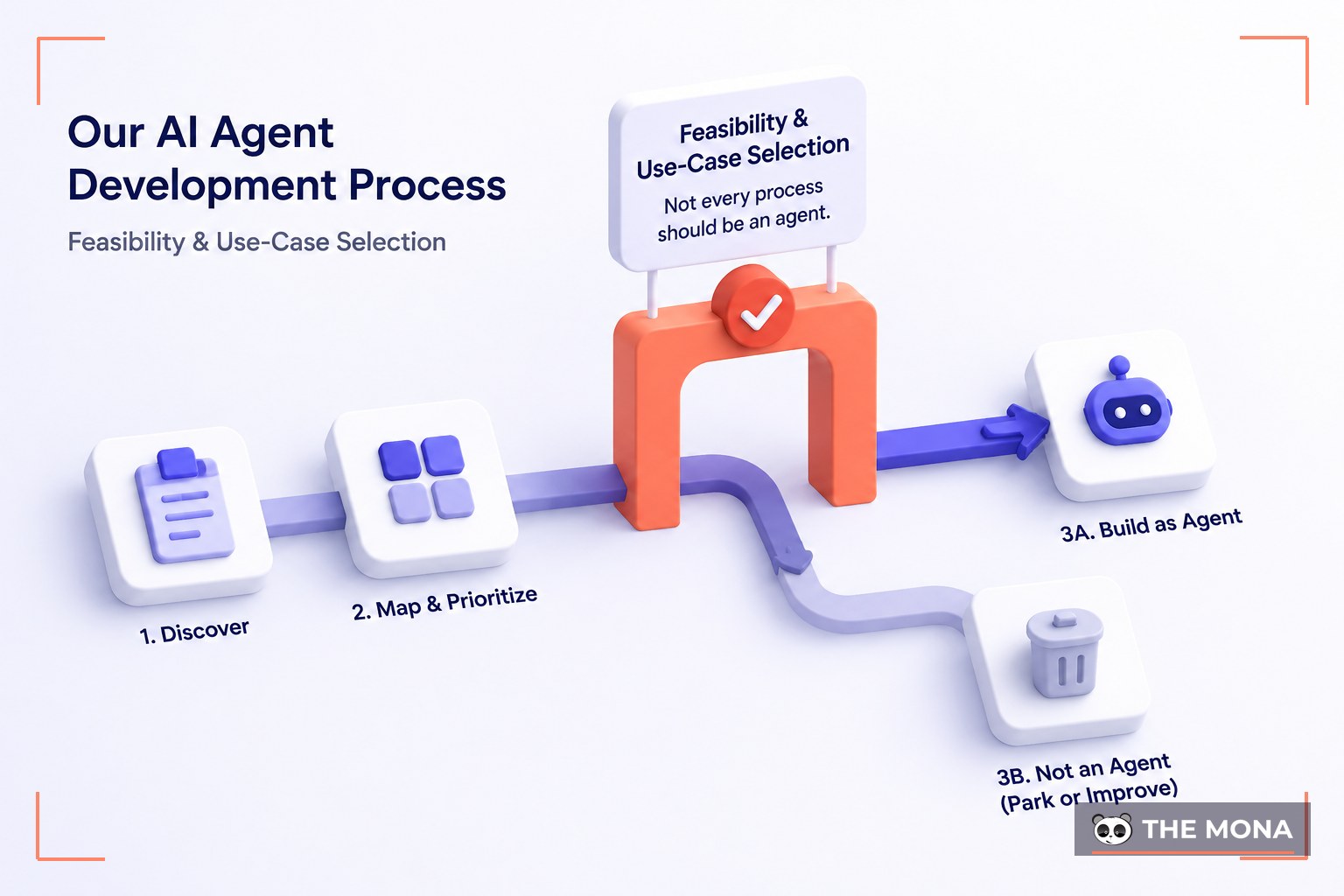
- Feasibility & Use-Case Selection. Not every process should be an agent. We assess candidates for volume, error tolerance, and data readiness, and tell you honestly which ones to automate with simpler tools instead. Want that assessment as its own engagement first? Our AI consulting team runs it standalone.
- Agent Design. We define the agent's goal, tools, permissions, guardrails, escalation rules, and success metrics, on paper, approved by you, before code.
- Build & Integrate. Our engineers develop the agent against your real systems in staging: tool connectors, prompts, business-rule checks, logging.
- Evaluate & Harden. We run the agent through a scenario suite built from your historical data and tune until it clears the accuracy bar you set, including deliberate attempts to make it misbehave.
- Pilot with a Human in the Loop. Live on a limited slice with human review of outputs. As accuracy holds, review narrows to the risky cases only.
- Operate & Improve. Agents drift as your business changes. We monitor every run, catch failures early, retrain on new cases, and expand scope deliberately, never silently.
Why Choose MONA as Your AI Agent Development Company
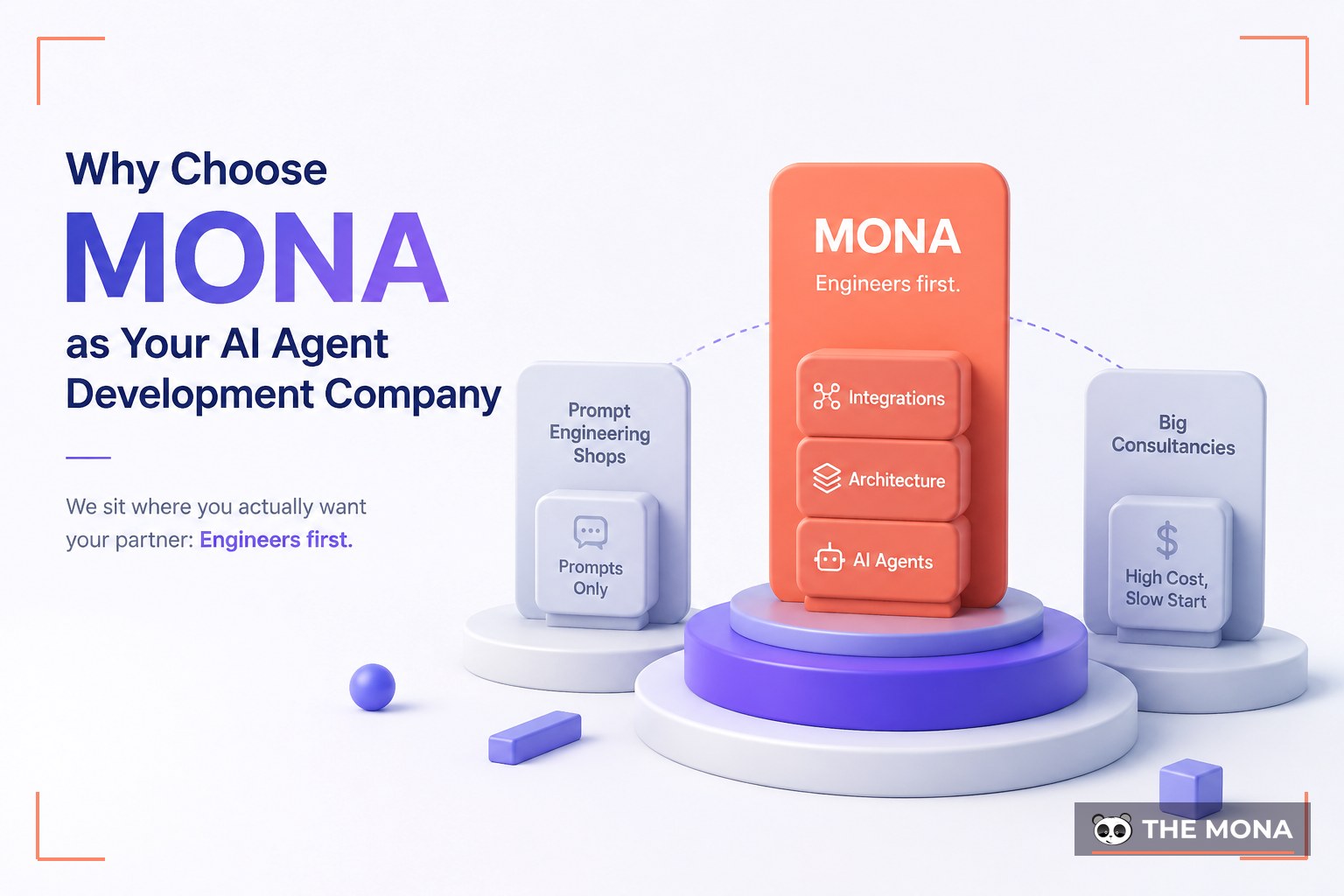
The AI agent development market is crowded with two kinds of vendors: prompt-engineering shops that can't build the integrations, and big consultancies that quote six figures before discovery. MONA sits where you actually want your partner:
- Engineers first. Our in-house engineers span software development, web, and infrastructure. When your agent needs a custom API, a database, a queue, or a hosted service, we build it. Agents are software, and we're a software company.
- We know your systems from the inside. A decade of building CRM, ERP, sales, and HR systems across 14,000+ projects delivered means the integration layer, where most agent effort really goes, is home ground for us.
- Vietnam economics, global delivery. Agent projects live or die on iteration: tuning, evaluation rounds, guardrail adjustments. At Vietnamese engineering rates you can afford the iterations that make an agent production-grade. GMT+7 overlaps European mornings and US evenings for daily communication.
- English-proficient team with dedicated PMs, transparent process, and delivery experience with demanding international clients, including Japanese businesses where documentation and precision are non-negotiable.
- You own everything. Code, prompts, evaluation suites, workflows, credentials, logs. No proprietary platform holding your operations hostage.
Platforms & Stack We Build Agents With
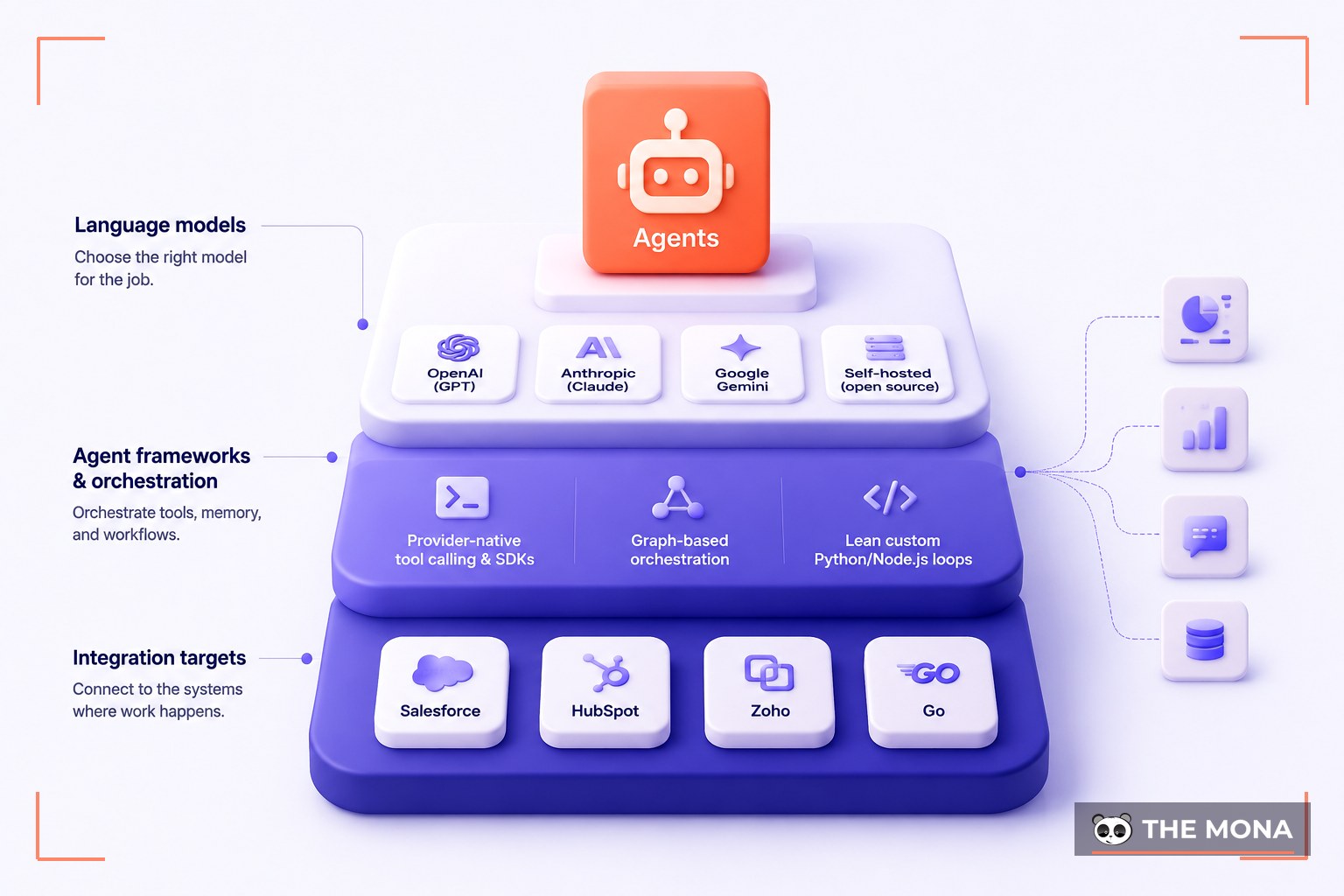
- Language models: OpenAI (GPT), Anthropic (Claude), Google Gemini, plus self-hosted open-source models where privacy or regulation requires data to stay on your infrastructure
- Agent frameworks & orchestration: provider-native tool calling and agent SDKs, graph-based orchestration, or lean custom Python/Node.js agent loops when frameworks add more weight than value
- Integration targets: Salesforce, HubSpot, Zoho, Google Workspace, Microsoft 365, Slack, Telegram, WhatsApp Business, Zendesk/Freshdesk-class helpdesks, Shopify, WooCommerce, custom ERPs and internal tools
- Infrastructure: our own cloud hosting, or your AWS/GCP/Azure environment, with logging, monitoring, and cost tracking from day one
We're deliberately model-agnostic: routing between providers is built into every agent, so you're never locked to one vendor's pricing.
Agent, Automation, or Chatbot: What You Actually Need
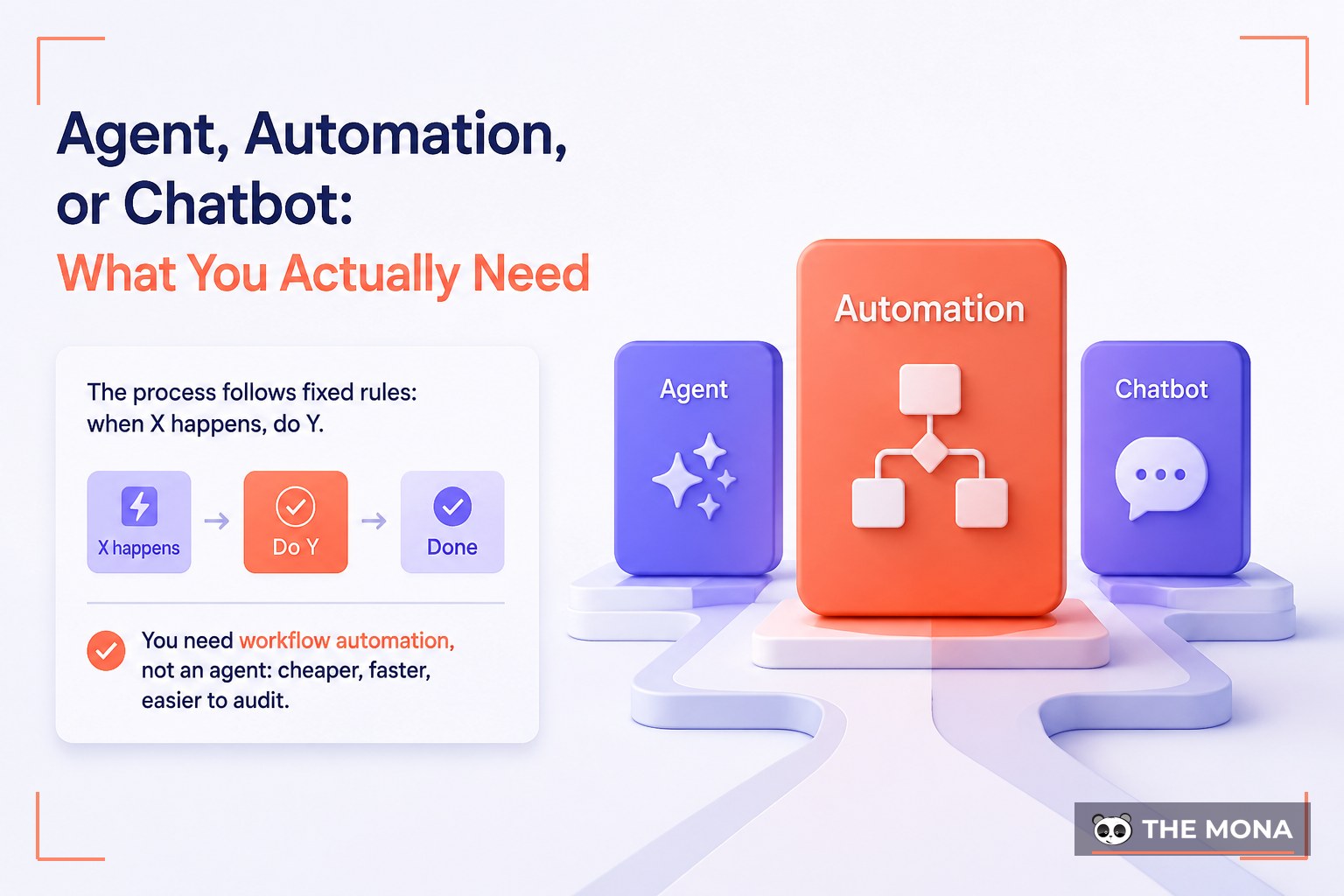
Honest scoping saves you money, so here's the decision in plain terms:
- The process follows fixed rules: when X happens, do Y. You need workflow automation, not an agent: cheaper, faster, easier to audit. That's our AI automation agency practice.
- The process requires judgment across multiple steps: reading context, choosing tools, handling exceptions. That's an AI agent. This page.
- You need a custom AI-powered product or platform: an AI feature in your SaaS, a recommendation engine, a full ML system. That's broader custom AI work, covered by our AI development company services.
Most real projects mix all three, which is why one engineering partner that does all three beats stitching together a chatbot vendor, an automation freelancer, and a dev shop.
Engagement Models
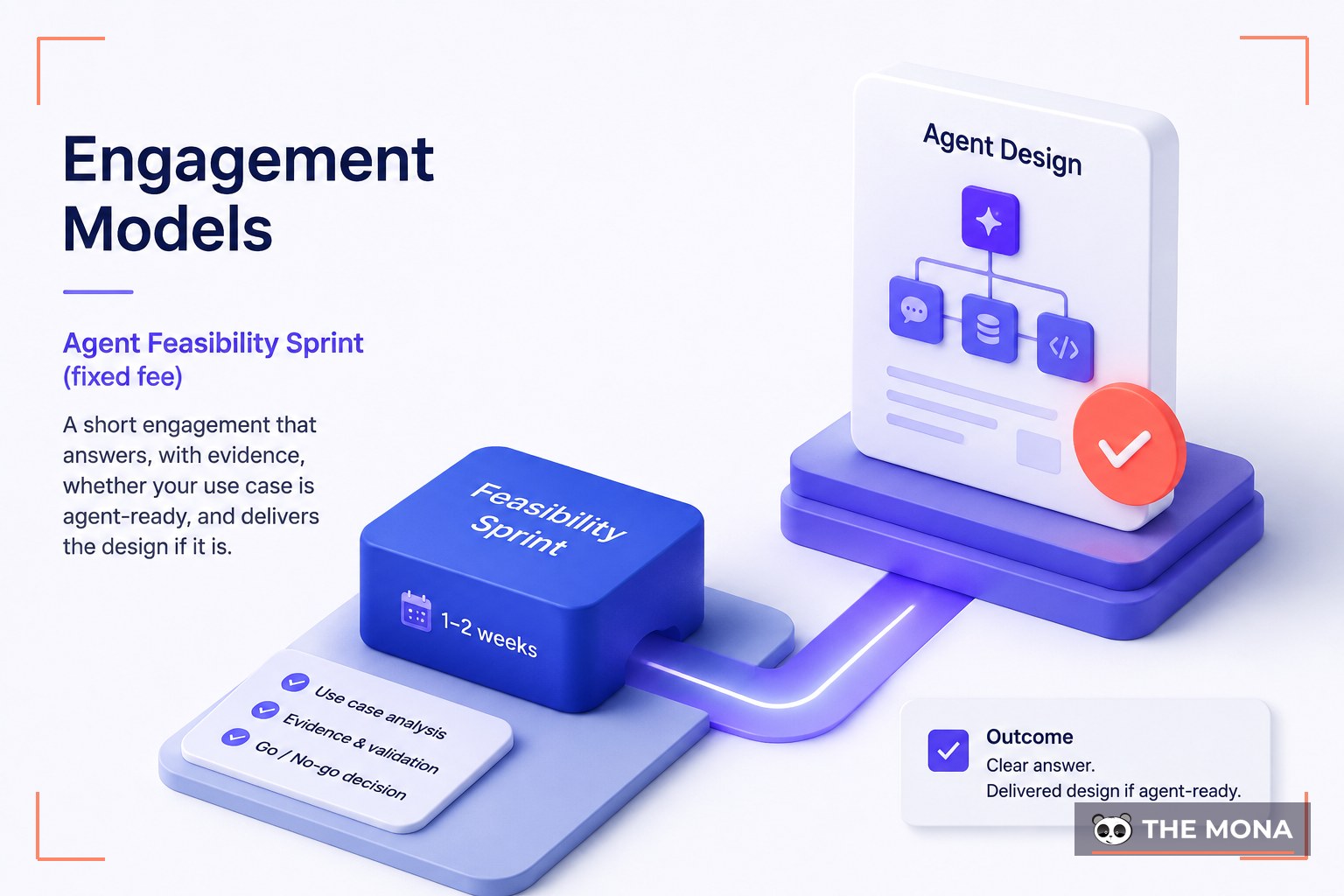
- Agent Feasibility Sprint (fixed fee). A short engagement that answers, with evidence, whether your use case is agent-ready, and delivers the design if it is.
- Fixed-Scope Agent Build. One agent, one defined job, one success metric, one price. The most common starting point.
- Agent Operations Retainer. We run, monitor, evaluate, and improve your agents month over month.
- Dedicated Team. For companies making agents a core capability: a dedicated development team building your agent platform exclusively.
Every engagement starts with a free consultation and a concrete estimate before commitment.
Ready to Put an AI Agent to Work?
Tell us the queue, inbox, or workflow you'd hand to an agent if you trusted it. We'll assess feasibility honestly and show you exactly how the trust layer works before you commit.